

Europe offers an unparalleled tapestry of landscapes, from the icy reaches of the Arctic Circle to the sun-drenched Mediterranean coast. For the avid trekker, this presents a lifetime of trails to explore. But with such immense choice, where do you even begin? This guide is your compass for navigating the very best hiking in Europe, eliminating the guesswork and getting you straight to the trailheads of the continent's most spectacular routes.
We've curated a definitive list of 12 incredible treks, detailing everything you need to know to plan your adventure. From the legendary alpine circuit of the Tour du Mont-Blanc to the rugged, remote wilderness of the Peaks of the Balkans, each entry is packed with practical, actionable details. You'll find a clear breakdown of distance, difficulty rating, key highlights, and the ideal season to visit for each route.
The trails we've selected represent the pinnacle of European trekking, but the continent’s diversity means there's a path for every skill level. Beyond these iconic treks, you can find countless other experiences, like exploring the charming family-friendly hiking paths in the Black Forest. Whether you're planning a multi-week expedition or a long weekend escape, prepare to discover your next great adventure on these iconic European paths.
1. Tour du Mont-Blanc (TMB)
The Tour du Mont-Blanc, or TMB, is arguably one of Europe’s most iconic long-distance treks, circumnavigating the continent's highest peak, Mont Blanc (4,808m). This challenging but immensely rewarding 170-kilometre circuit takes you through three countries: France, Italy, and Switzerland. Its reputation as one of the best hikes in Europe is well-earned, offering a dramatic tapestry of glacial valleys, lush alpine meadows, and breathtaking mountain passes.
Typically completed in 10-14 days, the trail is as much a cultural journey as a physical one. You’ll pass through charming mountain villages like Courmayeur in Italy and Chamonix in France, resting in rustic mountain huts, known as refuges.
Why it makes the list:
The TMB offers an unparalleled alpine experience without requiring technical mountaineering skills. The infrastructure is superb, with well-marked trails and regular accommodation, making it accessible for determined hikers.
- Distance: 170 km (106 miles)
- Difficulty: Challenging
- Best Season: Late June to early September
- Top Tip: Book your refuges at least 3-6 months in advance, especially for July and August. To lighten your load, consider a porter service. Ensuring you have the right gear is also vital; for inspiration, check out this guide on the best camping gadgets.
2. GR20 (Corsica)
The GR20 is legendary amongst seasoned hikers, often labelled as the toughest long-distance trail in Europe. This rugged 180-kilometre path snakes diagonally across the mountainous spine of Corsica, from Calenzana in the north to Conca in the south. It is a true wilderness experience, demanding excellent physical fitness, a head for heights, and solid navigation skills.
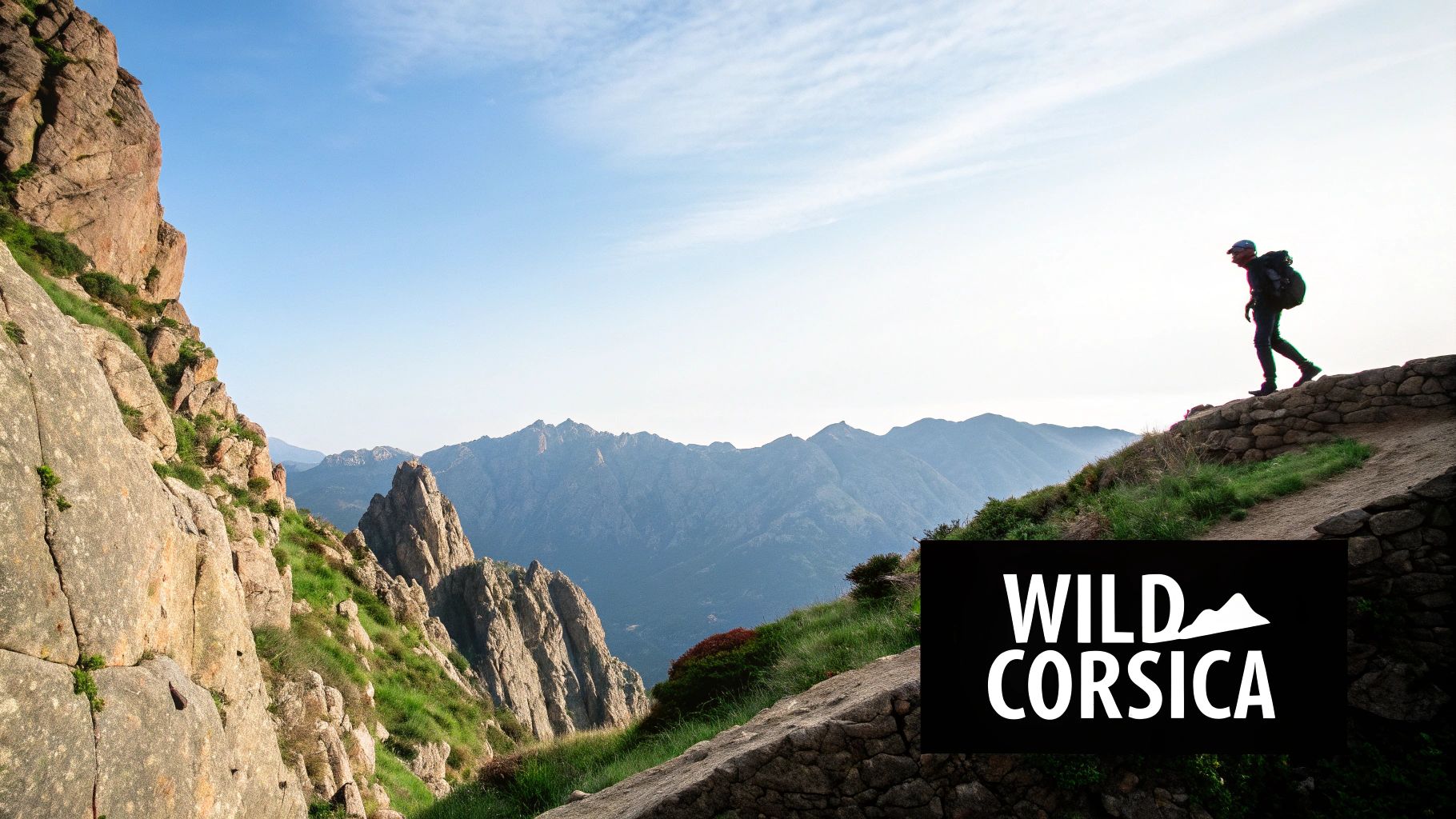
Typically completed in 15-17 days, the route involves steep ascents, descents, and sections of scrambling over exposed rocky ridges. The reward for this effort is unparalleled access to Corsica's remote alpine interior, with breathtaking views of glacial lakes, pristine forests, and the sparkling Mediterranean Sea.
Why it makes the list:
The GR20 offers an unfiltered, wild adventure that tests your limits. Its raw beauty and technical demands provide a profound sense of accomplishment, solidifying its place as one of the best hiking experiences in Europe for those seeking a genuine challenge.
- Distance: 180 km (112 miles)
- Difficulty: Very Challenging
- Best Season: Late June to early September
- Top Tip: Extensive training is non-negotiable. Begin in the north, as the terrain is more difficult and allows for better acclimatisation. Since you'll be carrying all your supplies, investing in lightweight gear is crucial; discover the benefits of titanium camping cookware to significantly reduce your pack weight.
3. Kungsleden (King's Trail, Sweden)
Kungsleden, or "The King's Trail," is Sweden’s premier long-distance hiking route, stretching an impressive 440 kilometres through the vast, untamed wilderness of Swedish Lapland. This epic trail guides adventurers from Abisko in the north to Hemavan in the south, traversing pristine Arctic tundra, subarctic birch forests, and expansive mountain plateaus. It offers a profound sense of solitude and a true immersion into Nordic nature, making it one of the best hiking experiences in Europe.
While trekking the entire length is a 4-7 week undertaking, many hikers opt for shorter, more accessible sections. The northernmost part from Abisko to Saltoluokta is particularly popular, covering about 105 kilometres in 5-7 days and offering a chance to summit Sweden's highest peak, Kebnekaise (2,097m), via a side trip.
Why it makes the list:
Kungsleden provides an unparalleled Arctic wilderness experience. Its well-maintained hut system, managed by the Swedish Tourist Association (STF), makes this remote landscape accessible to self-sufficient hikers looking for a genuine backcountry adventure.
- Distance: 440 km (273 miles) total; popular sections are 80-120 km
- Difficulty: Challenging
- Best Season: Late June to mid-September
- Top Tip: The trail demands physical preparedness; ensure you're ready with some dynamic stretches for your legs before you start. Book STF mountain huts well in advance, and start in late June or early July to minimise encounters with mosquitoes. Always carry a reliable map and GPS device.
4. Dolomites Tre Cime Trek (Italy)
The Dolomites Tre Cime Trek is a breathtaking circuit in northeastern Italy, centred on the iconic Three Peaks (Tre Cime) of Lavaredo. This route is a highlight reel of dramatic limestone spires, World War I history, and stunning alpine scenery, rightfully earning its place as one of the best hiking experiences in Europe. Its dramatic landscapes and vibrant colours make it a photographer's dream.
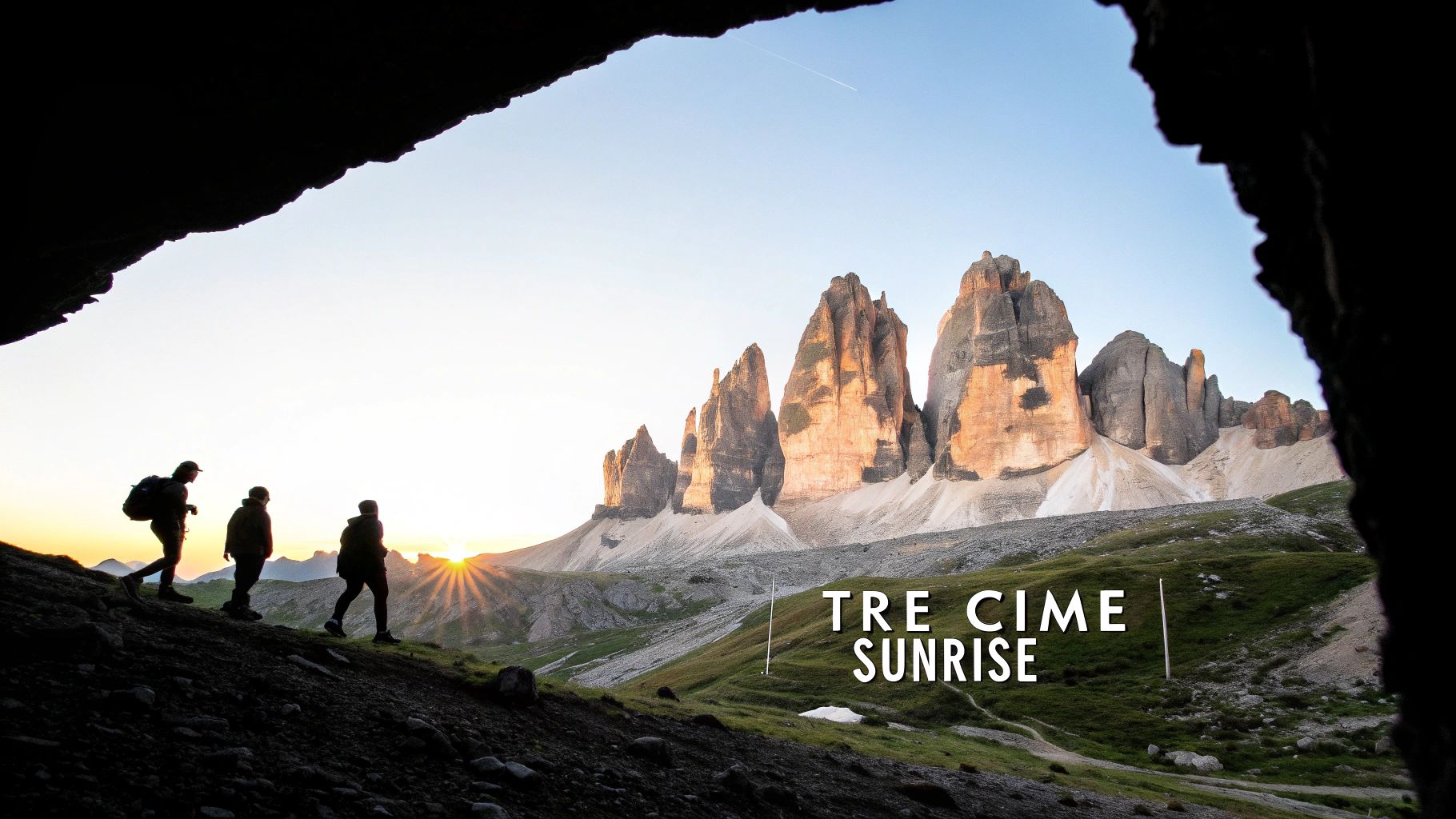
Often completed as a short multi-day trek, it offers a perfect balance of accessible trails and true mountain wilderness. Hikers can stay in well-equipped mountain huts, or rifugios, like the famous Rifugio Tre Cime, making it possible to immerse yourself in the high alpine environment without carrying heavy camping gear.
Why it makes the list:
This trek delivers some of the most spectacular and recognisable mountain scenery in the Alps within a relatively short and manageable circuit. The excellent rifugio system and well-marked paths make it accessible to most fit hikers.
- Distance: Approx. 10-25 km circuit (varies by route)
- Difficulty: Moderate
- Best Season: Late June to September
- Top Tip: Book your rifugios 2-3 months in advance. For the best light and fewer crowds, start your hike before sunrise. If you plan to tackle any via ferrata sections, ensure you have a helmet, harness, and consider hiring a local guide.
5. Laugavegur Trail (Iceland)
The Laugavegur Trail is a world-renowned trek that cuts through the heart of Iceland’s southern highlands, offering some of the most surreal and otherworldly landscapes on the continent. This 55-kilometre route connects the geothermal wonderland of Landmannalaugar with the lush, birch-forested valley of Thórsmörk. The trail is a showcase of raw geological power, leading hikers past colourful rhyolite mountains, steaming hot springs, black obsidian deserts, and imposing glaciers.
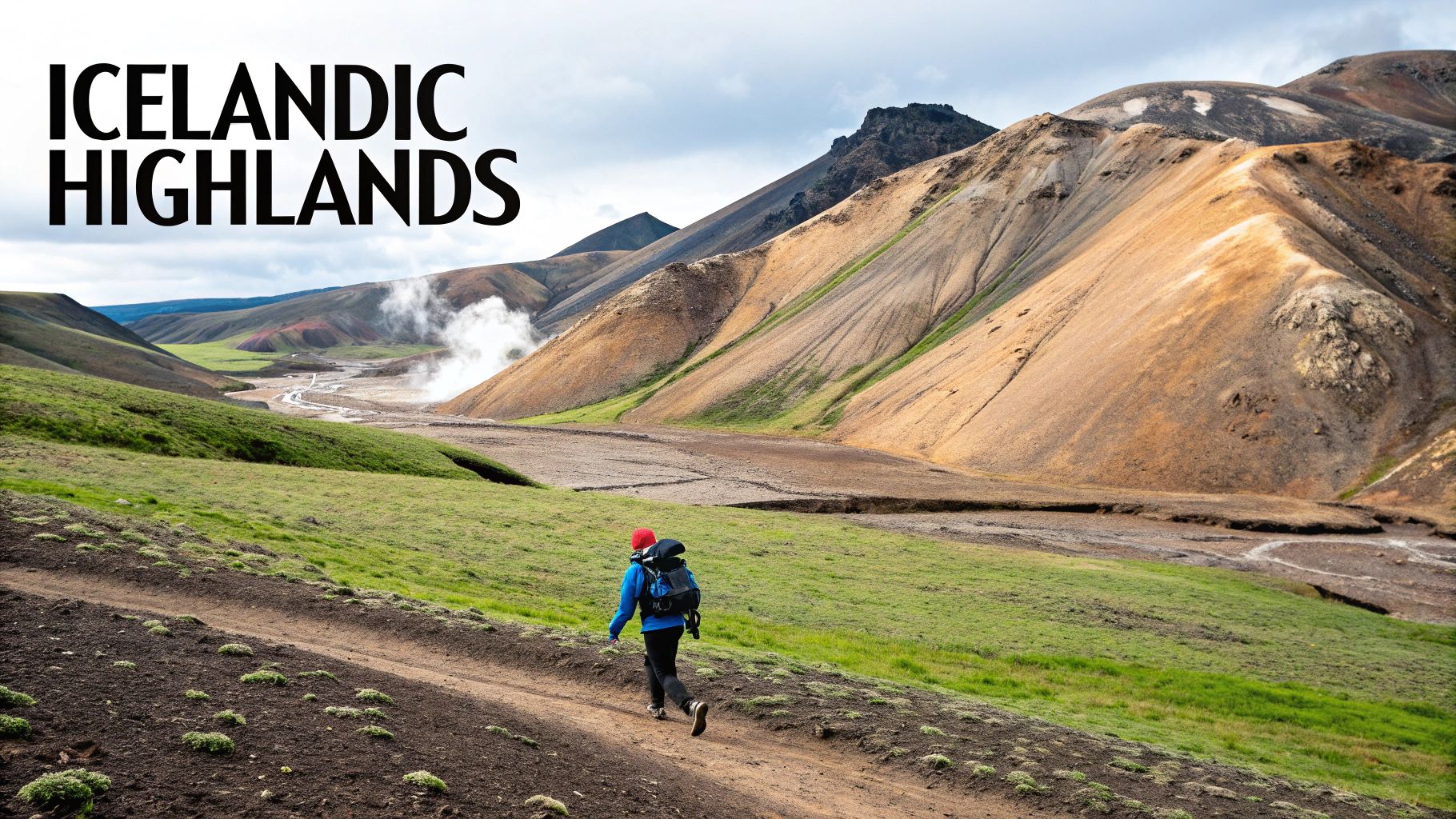
Typically completed over 3-4 days, the journey feels like stepping onto another planet. Hikers stay in a series of basic but well-maintained mountain huts, creating a strong sense of camaraderie among those tackling one of the best hiking experiences in Europe. The constant change in scenery is what makes this trail truly unforgettable.
Why it makes the list:
The Laugavegur Trail offers an unparalleled and accessible glimpse into Iceland's volcanic interior. Its dramatic, multi-coloured landscapes are unlike anywhere else in Europe, providing a truly unique adventure that combines geothermal activity with glacial vistas.
- Distance: 55 km (34 miles)
- Difficulty: Challenging
- Best Season: Late June to early September
- Top Tip: The weather is notoriously unpredictable. Always carry full waterproof gear and extra layers. Book mountain huts far in advance as they fill up quickly, and check official trail and river crossing conditions daily before setting out.
6. Inca Trail to Machu Picchu (Peru-Andean South America Extension)
While located in South America, the legendary Inca Trail to Machu Picchu is so globally renowned that it often earns an honorary mention in discussions about the world's greatest treks, including the best hiking in Europe. This iconic 43-kilometre, four-day journey takes you through ancient Incan ruins, lush cloud forests, and breathtaking high-altitude passes, culminating in the awe-inspiring sight of Machu Picchu from the Sun Gate (Inti Punku).
The trek is a profound historical and spiritual pilgrimage, following stone paths laid by the Incas centuries ago. Along the way, you'll encounter remarkable sites like the ruins of Wiñay Wayna before reaching the final destination. It’s an unforgettable adventure that combines physical challenge with rich cultural immersion.
Why it makes the list:
The Inca Trail offers a unique blend of world-class scenery, ancient history, and a powerful sense of accomplishment. Its protected status ensures a pristine and uncrowded experience, making it one of the most sought-after hikes on the planet.
- Distance: 43 km (26 miles)
- Difficulty: Challenging
- Best Season: April to October (dry season)
- Top Tip: Permits sell out 4-6 months in advance, so booking early is essential. Arrive in Cusco at least two days before your trek to acclimatise to the altitude; locals often recommend coca tea to help.
7. Meteora Monasteries Trek (Greece)
The Meteora Monasteries Trek offers a truly unique fusion of natural beauty and profound history, solidifying its place as one of the best hiking experiences in Europe. This journey takes you through the otherworldly landscape of central Greece, where ancient Byzantine monasteries are perched precariously atop colossal sandstone pillars that rise dramatically from the Thessalian plains. This is more than just a hike; it's a spiritual and cultural immersion into centuries of history.
Typically explored over 2-3 days, the network of old monks' paths and trails connects these magnificent UNESCO World Heritage sites. You can base yourself in the nearby towns of Kalambaka or Kastraki, starting your treks early to witness breathtaking sunrises and explore architectural marvels like the Great Meteoron Monastery before the afternoon heat sets in.
Why it makes the list:
Meteora delivers an unforgettable combination of moderate hiking and incredible cultural discovery. The visual spectacle of the monasteries appearing to float in the sky is unparalleled, offering a deeply atmospheric and historically rich alternative to traditional alpine treks.
- Distance: Varies (Typically 10-15 km per day)
- Difficulty: Easy to Moderate
- Best Season: April to June, September to October
- Top Tip: Respect the monastery dress codes by covering your shoulders and knees (long skirts or trousers are often provided at entrances). Hiring a local guide can significantly enrich the experience with historical context and access to less-trodden paths.
8. Westway Trail (Norway)
Often seen as Norway's rugged answer to Sweden's Kungsleden, the Westway Trail is an epic long-distance journey stretching from Oslo to Bergen. This incredible 643-kilometre route guides hikers through the heart of the country's most spectacular landscapes, from the wild mountains of Jotunheimen National Park to the serene shores of the Sognefjord. It represents one of the ultimate challenges in Scandinavian trekking.
Typically requiring a 5-7 week commitment, the trail is a true expedition, combining high mountain passes, deep valleys, and ferry crossings over iconic fjords. For those with less time, popular shorter sections like the historic Rallarvegen (Navvies' Road) offer a fantastic 3-day taste of the high-altitude scenery, making it one of the most versatile options for the best hiking in Europe.
Why it makes the list:
The Westway Trail delivers an immersive Norwegian wilderness experience, blending raw mountain beauty with quintessential fjord landscapes far from the crowds of more famous routes. Its modular nature allows hikers to tackle it in full or as shorter, more manageable sections.
- Distance: 643 km (400 miles)
- Difficulty: Very Challenging
- Best Season: Late June to September
- Top Tip: The trail is demanding, so consider tackling a section first. Always pack for four seasons, as weather can change in an instant, and carry offline maps as service is non-existent in many areas. Booking mountain huts (hytter) well in advance is essential.
9. High Tatras Trek (Slovakia/Poland)
Often described as the "smallest alpine mountains in the world," the High Tatras offer a spectacular and accessible alpine experience straddling the border of Slovakia and Poland. This trek winds through a dramatic landscape of jagged granite peaks, serene turquoise lakes, and deep valleys. Unlike some of Europe's more sprawling ranges, the High Tatras concentrate their breathtaking beauty into a compact, manageable area.
A typical trek can last from 4 to 7 days, navigating a network of well-maintained trails and staying in traditional mountain huts. You'll traverse stunning routes like the pass over Rysy, Poland’s highest peak, and rest by the shores of picturesque lakes such as Popradské Pleso. This route presents one of the best hiking in Europe opportunities for those seeking a genuine alpine challenge without the extreme scale of the Alps.
Why it makes the list:
The High Tatras provide an authentic alpine feel with dramatic scenery in a more condensed and often less crowded environment than their Western European counterparts. The excellent hut system and clear trails make it an accessible adventure for experienced hikers.
- Distance: 50-70 km (31-43 miles), varies by route
- Difficulty: Challenging
- Best Season: June to September
- Top Tip: Book mountain huts well in advance, as they fill up quickly in summer. Hike early in the day to avoid the common afternoon thunderstorms and consider a September visit for a great balance of good weather and fewer people.
10. Peaks of the Balkans Trail (Albania/Kosovo/Montenegro)
The Peaks of the Balkans Trail is a spectacular 192-kilometre journey weaving through the remote and wild borderlands of Albania, Kosovo, and Montenegro. This circular route guides hikers through the pristine wilderness of the Accursed Mountains, a landscape defined by dramatic limestone peaks, deep glacial valleys, and lush forests. Once a forbidden military zone, the region is now an emerging trekking paradise.
Typically completed in 10-12 days, the trail offers a profound cultural immersion. Trekkers stay in traditional family-run guesthouses in remote villages like Theth in Albania, experiencing authentic shepherd culture and warm hospitality that remains largely untouched by mass tourism. The trail is a genuine adventure, a highlight in any conversation about the best hiking in Europe.
Why it makes the list:
This trail offers a rare glimpse into Europe's last wild frontier. It combines breathtaking alpine scenery with a rich cultural tapestry and a true sense of exploration, delivering an unforgettable adventure far from the crowds of more established European treks.
- Distance: 192 km (119 miles)
- Difficulty: Challenging
- Best Season: Late May to September
- Top Tip: Hiring a local guide is highly recommended for navigation and cultural insight, as trails can be poorly marked. Book guesthouses in advance, especially in peak season, and carry cash as ATMs are non-existent on the trail.
11. Etna Trek and Crater Summit (Sicily, Italy)
For a truly unique European hiking adventure, the trek to the summit of Mount Etna in Sicily offers an unforgettable journey across the continent’s most active volcano. This 2-3 day experience combines classic Mediterranean scenery with a dramatic, almost lunar, landscape of black lava fields, steaming fumaroles, and otherworldly volcanic craters. Standing atop the summit at 3,329 metres provides breathtaking panoramic views over Sicily and the Ionian Sea.
Unlike lengthy alpine crossings, summiting Etna is an achievable goal over a long weekend. The trek typically starts from Rifugio Sapienza and ascends through the remarkable Valle del Bove, a vast caldera on the volcano's eastern flank. It’s a powerful reminder of nature’s raw energy and a standout option for the best hiking in Europe.
Why it makes the list:
This hike offers an unparalleled opportunity to explore an active volcano up close. The constant geological activity means the landscape is always changing, making every trek a unique experience. Its accessibility from Catania and manageable duration make it a perfect addition to a Sicilian holiday.
- Distance: Varies (approx. 20-30 km over 2-3 days)
- Difficulty: Moderate to Challenging
- Best Season: May to June, September to October
- Top Tip: Volcanic activity can close summit access, so always check conditions and hire an official guide who is familiar with the current, safe routes. Start treks early to avoid afternoon clouds obscuring the summit views.
12. Fitz Roy Trek (Argentina - Patagonia Extension)
While technically in South America, the Fitz Roy Trek is a worthy "extension" for any serious hiker's bucket list, often compared to the best hiking in Europe for its dramatic alpine scenery and world-class trails. Located in Argentinian Patagonia, the trek showcases the iconic granite spire of Mount Fitz Roy and its neighbouring peaks. The entire region is a UNESCO World Heritage site, offering some of the most spectacular mountain vistas on the planet.
Based out of the charming and well-equipped village of El Chaltén, hikers can embark on several day trips or combine them into a multi-day circuit, camping in designated sites. The most famous routes lead to breathtaking viewpoints like Laguna de los Tres and Laguna Torre, each offering a unique perspective of the jagged, ice-covered peaks that define Patagonia.
Why it makes the list:
The Fitz Roy massif provides a raw, wild alpine experience with extreme weather challenges comparable to high-altitude European treks. Its accessibility from the base town of El Chaltén makes it a perfect destination for those seeking a grand adventure without the logistical complexities of a more remote thru-hike.
- Distance: Varies (typically 20-35 km per day-hike)
- Difficulty: Moderate to Challenging
- Best Season: December to February (Patagonian summer)
- Top Tip: The weather here is notoriously unpredictable. Plan for extra days in El Chaltén to wait for a clear weather window, check the forecast daily before setting out, and always start your hikes early for the best visibility.
12 Top European Hikes & Extensions Comparison
| Trail | 🔄 Implementation complexity | ⚡ Resource requirements | ⭐ Expected outcomes | 📊 Ideal use cases | 💡 Key advantages |
|---|---|---|---|---|---|
| Tour du Mont‑Blanc (TMB) | Moderate — mountain passes, some scrambling | High — nightly refuges, advance bookings, porter optional | ⭐⭐⭐⭐⭐ — iconic alpine scenery & cultural variety | Multi‑day classic circuit in summer | Well‑marked trails, extensive hut network, flexible starts |
| GR20 (Corsica) | Very high — technical, remote, sustained difficulty | High — strong fitness, navigation skills, limited services | ⭐⭐⭐⭐⭐ — raw, demanding alpine experience | Experienced trekkers seeking remote challenge | Wild landscapes, low crowds, strong sense of achievement |
| Kungsleden (Sweden) | Moderate — long distance logistics, predictable terrain | High — weeks of time, hut fees, resupply planning | ⭐⭐⭐⭐⭐ — immersive Arctic wilderness & solitude | Multi‑week thru‑hike or section hikes under midnight sun | Excellent hut system, flexible entry/exit points |
| Dolomites Tre Cime (Italy) | Low–Moderate — short circuit, optional via ferrata | Moderate — cable cars, rifugios, seasonal bookings | ⭐⭐⭐⭐ — dramatic photogenic limestone scenery | Short 2–4 day alpine trek / photography trip | Accessible views, strong tourist infrastructure, short commitment |
| Laugavegur Trail (Iceland) | Moderate–Challenging — river crossings, exposed terrain | Moderate — huts, waterproof gear, careful timing | ⭐⭐⭐⭐ — unique volcanic & glacial landscapes | Short 3–4 day scenic/highland adventure | Otherworldly colors, hot springs, excellent photo opportunities |
| Inca Trail to Machu Picchu (Peru) | Moderate — regulated, guided, altitude challenges | High — quota, guide/porter cost, months advance booking | ⭐⭐⭐⭐⭐ — cultural & archaeological highlight | Bucket‑list cultural trek with guided support | Rich history, guided interpretation, well‑managed system |
| Meteora Monasteries Trek (Greece) | Low — easy trails mixed with sightseeing | Low — inexpensive, short stay options | ⭐⭐⭐ — cultural vistas & accessible hikes | Short cultural/spiritual weekend or day trips | Unique monasteries on rock pillars, affordable and accessible |
| Westway Trail / Norway | Moderate–Challenging — very long distances, varied terrain | Very high — multi‑week commitment, hut/ferry costs | ⭐⭐⭐⭐⭐ — extremely diverse fjord and mountain scenery | Long expeditions or section hiking over weeks | Diverse landscapes, strong hut network, less crowded than Alps |
| High Tatras (Slovakia/Poland) | Moderate — compact alpine terrain with some scrambling | Moderate — short duration, affordable huts | ⭐⭐⭐⭐ — classic alpine experience in days | Short alpine trips with good value for scenery | Excellent value, well‑marked trails, accessible peaks |
| Peaks of the Balkans Trail | Challenging — remote navigation, high passes | Moderate — low cost but limited services, guide recommended | ⭐⭐⭐⭐ — authentic, uncrowded alpine adventure | Affordable multi‑day cross‑border trek | Authentic culture, exceptional value, emerging infrastructure |
| Etna Trek and Crater Summit (Sicily) | Low–Moderate — volcanic terrain, variable access | Low — short trip, guided options, watch eruption status | ⭐⭐⭐ — unique volcanic summit views | Short summit trek / volcanic geology experience | Easy access, dramatic lava fields, cable car assistance |
| Fitz Roy Trek (Patagonia) | Challenging — extreme weather, rugged conditions | Moderate — long travel, basic local facilities | ⭐⭐⭐⭐⭐ — world‑class granite scenery & photography | Short intense alpine treks in Patagonia | Iconic peaks, strong outdoor culture, stunning photo opportunities |
Preparing for Your European Hiking Journey
Europe's trails offer a magnificent tapestry of landscapes, from the volcanic wonders of Iceland's Laugavegur Trail to the jagged spires of the Italian Dolomites. We've journeyed through twelve distinct routes, each presenting its own unique character, challenges, and rewards. You might feel drawn to the alpine grandeur of the Tour du Mont-Blanc, the rugged isolation of Sweden's Kungsleden, or the culturally rich paths of the Peaks of the Balkans.
The common thread uniting these world-class treks is the profound sense of accomplishment and connection to nature they provide. Whether you're navigating the demanding GR20 in Corsica or ascending to the breathtaking monasteries of Meteora in Greece, the experience is transformative. The key takeaway from our exploration is that the best hiking in Europe is not a singular title but a personal discovery, dependent on your fitness, interests, and spirit for adventure.
From Inspiration to Action: Your Next Steps
Choosing your ideal trek is a thrilling first step, but meticulous preparation is what turns a dream hike into a successful reality. A well-thought-out plan ensures your safety, comfort, and ability to fully immerse yourself in the stunning surroundings.
1. Physical and Mental Conditioning:
Begin a training regimen at least three months before your trip. Focus on cardiovascular endurance with activities like running or cycling, and build strength with exercises targeting your legs, core, and back. Crucially, train by hiking on varied terrain with a weighted pack to simulate trail conditions and break in your boots. Mental preparedness is just as important; research your chosen route to understand its daily challenges and cultivate a resilient, positive mindset.
2. Logistics and Itinerary Planning:
Once you've selected a trail, dive into the details. Book your mountain huts or campsites well in advance, as popular routes like the TMB fill up quickly. Organise your transport to and from the trailhead. Create a flexible daily itinerary that accounts for elevation gain, potential side trips, and rest days. Always have a backup plan in case of bad weather or unforeseen trail closures.
3. Gear and Packing Strategy:
Your gear is your lifeline on the trail. Invest in high-quality, lightweight essentials, prioritising the "big three": your backpack, shelter, and sleep system. For any trek involving self-catering, smart kitchen gear is a must. An item like the Everti Titanium Cutting Board is an excellent addition; it's incredibly light, won't dull your knife, and is naturally antibacterial, making trailside meal prep both safe and efficient. As you gear up for your European adventure, ensure you have everything you need by checking out this guide on 7 Smart Packing Essentials for Europe in 2025.
Ultimately, the effort you invest in preparation pays dividends on the trail, freeing you to focus on the rhythm of your footsteps and the awe-inspiring beauty around you. The mountains are calling-a journey of a thousand kilometres begins with this single, well-prepared step.
Ready to equip your adventure with gear that lasts a lifetime? Explore the ultra-durable, lightweight, and hygienic titanium kitchenware from Everti. Perfect for demanding treks and everyday use, our products are designed to elevate your outdoor and home culinary experiences. Discover the collection at Everti today.